

The rock at Kamakhya still bleeds.
Once a year the temple closes and the goddess is said to menstruate. Red cloth and water become prasada. The rock itself is treated as body.
This is not an isolated miracle.
It is the continuation of a far older recognition: that the yoni is not only origin but lineage - the place where the invisible becomes flesh and where the living remain joined to what came before.
Episode one traced the doorway across deep time: Paleolithic engravings, the triangular stone at Baghor, Indus Valley forms, the lingam rising from the yoni, the cleft in the living rock of Assam. That history was never finished. The same force that opened the stone continues to move through the bodies of women who still carry the source. The lineage did not close when the temples were built. It simply changed its dwelling place.
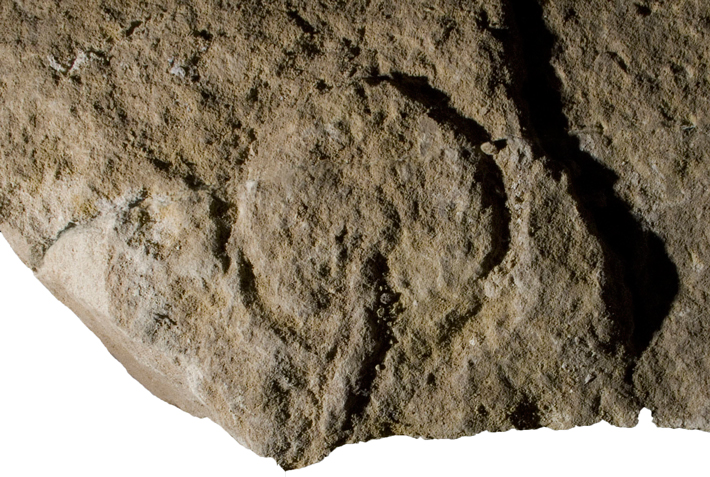
In the oldest layers the yoni is never only reproductive.
It is the matrix that receives and returns. Life issues from it and, in death, is understood to return to it. The Paleolithic vulva carved beside the great animals was not decoration. It was a statement of origin and of continuity. The body that opens is the body that holds the line.
At Kamakhya the tradition is explicit. The cleft is the place where the yoni of Sati fell when her body was dismembered. The annual bleeding is not pollution. It is the sign that the source remains alive and that the lineage of the goddess has not been broken. Devotees do not come to witness a private event. They come to receive from the continuing body of the origin.
The same logic appears, under different names, across cultures.
In Mesopotamia the pubic triangle marked the domain of Inanna and Ishtar - goddesses of both desire and the underworld, of opening and of return. In Egypt certain hieroglyphs for woman and for vulva shared the same visual root, binding the generative organ to the very idea of the feminine as source. In Greece, Baubo lifts her skirts and the laughter that follows restores the cycle of the earth. The Sheela-na-gigs of Ireland and Britain, carved into the walls of churches and castles, display the yoni as protection and power at once - the exposed source that wards and blesses. Scholars still argue over exact meaning, yet the posture is consistent: the doorway shown so that the lineage may continue unbroken.
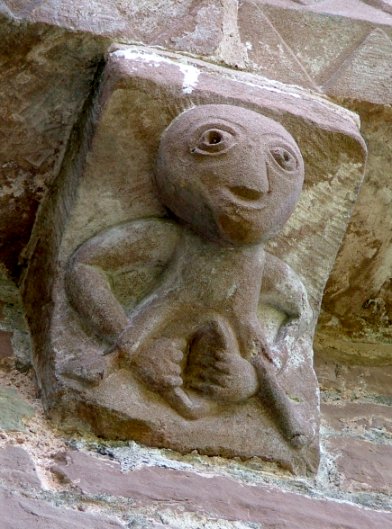
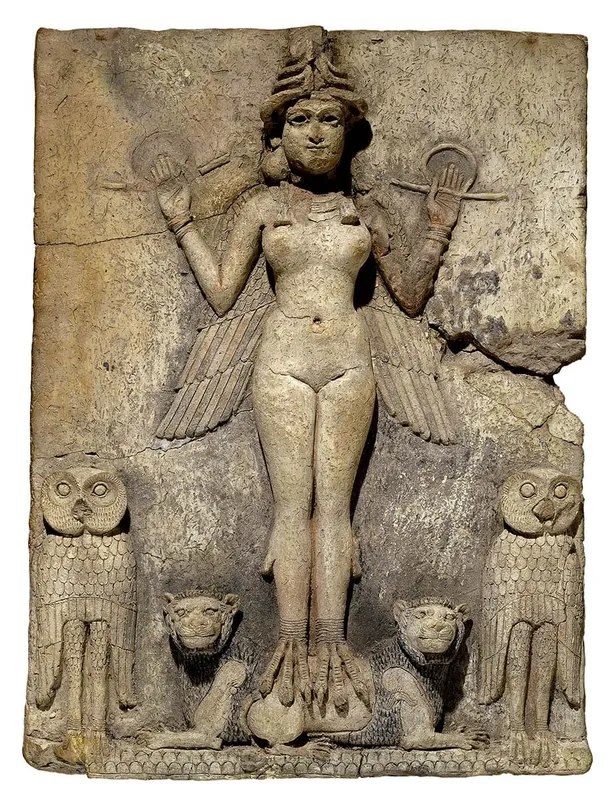

In the Tantric and Shakta streams that grew from these roots, the recognition became still more precise.
The living woman could herself become the yoni-pīṭha - the present seat of the goddess. Offerings were made not only to stone but to the actual body understood as the current form of the origin. The fluids that issued from her - menstrual blood, sexual exudate — were treated as kula-dravya, the material of the lineage itself. Nothing that came from the source was waste. Everything belonged to the continuing line.
This was not metaphor.
It was the practical understanding that the cosmic doorway had not withdrawn into myth. It remained present, moving through ordinary bodies, regenerating the world one cycle at a time.
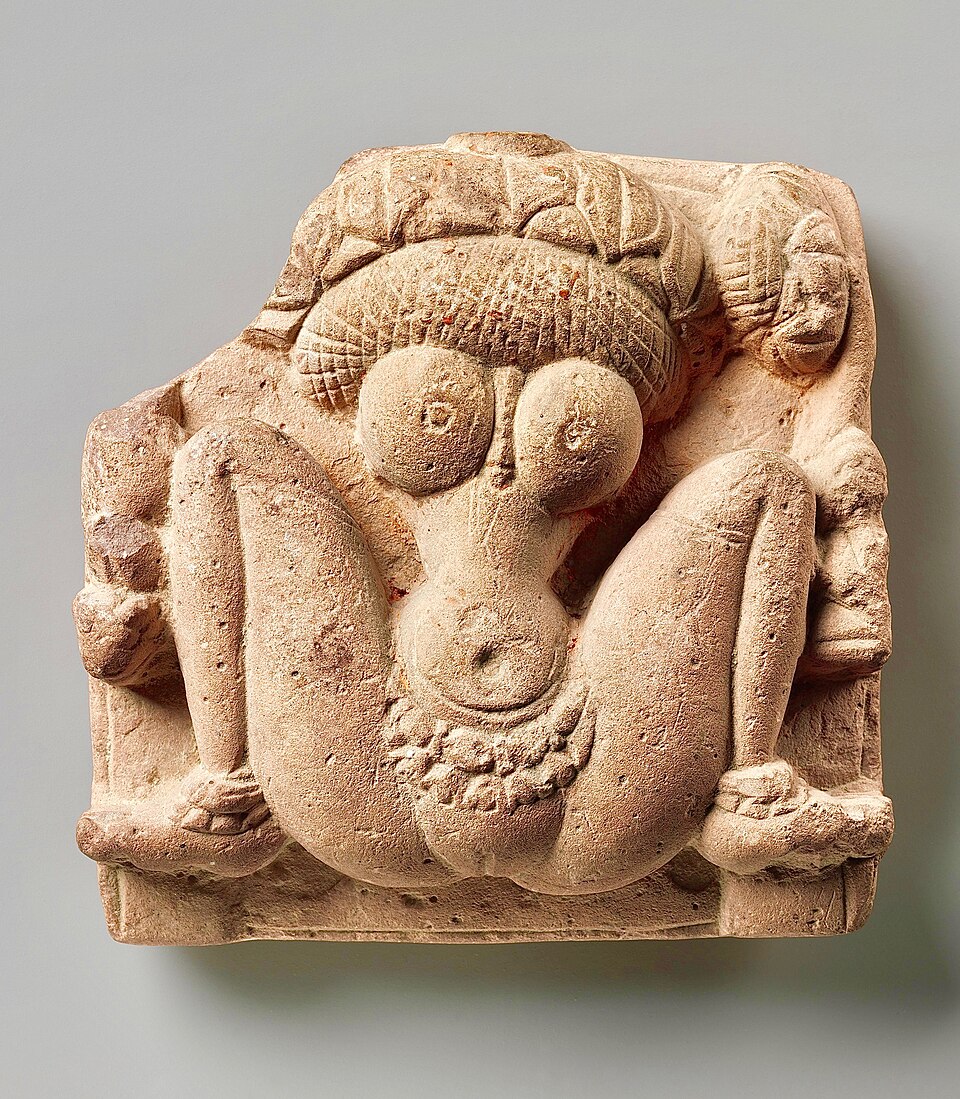
Modern culture has largely severed this continuity.
The same organ that once stood at the centre of temples and cave shrines is now more often treated as private anatomy or medical site. The blood that was once prasada is managed as inconvenience. The doorway is asked to forget that it was ever cosmic.
Yet the lineage does not depend on remembrance.
It continues whether or not it is named. Every woman who bleeds, who opens, who carries life or the possibility of life, still holds the same threshold that was cut into Paleolithic stone and left bleeding in the rock of Assam.
The worship was never only about the past.
It was the recognition that the origin remains present - in stone, in blood, in the unbroken line that still moves through the bodies of women who carry the source inside them.
The doorway has never closed.
Episode 01 - Click Here
Conversation
Comments