

She wore a red bandana and carried a rifle like it was an extension of her spine. When she walked into a village, upper-caste men trembled. When she spoke, the papers called her a monster. To the women who had been crushed under the same boots, she was something closer to a goddess.
Her name was Phoolan Devi. And she was one of the most feral women the modern world has ever seen.
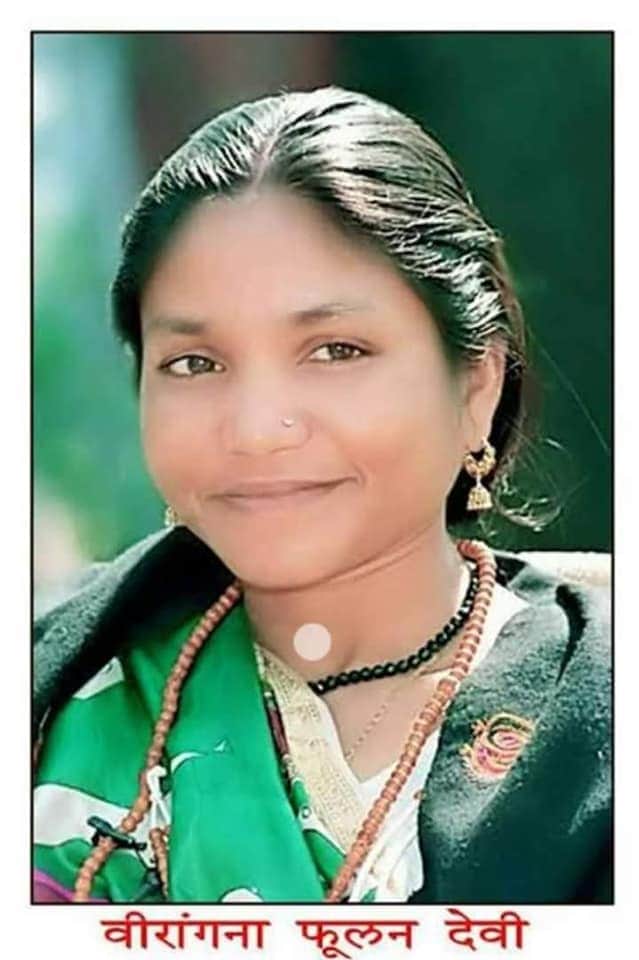
The Wound That Forged Her
Born in 1963 into a poor Mallah (boatmen) family in Uttar Pradesh, Phoolan was marked from the beginning. As a low-caste girl, she was considered less than human by the Thakurs - the powerful upper-caste landowners who ruled her village.
At eleven, she was married off to a much older man who abused her. She ran away. The punishment for a girl who dared to reject her fate was brutal. She was gang-raped by upper-caste men, thrown in prison on false charges, and repeatedly violated by police and landlords.
Most women in her position would have been broken. Phoolan chose a different path.
She joined a gang of dacoits (bandits) operating in the ravines of Chambal. Within a few years, this small, dark-skinned woman who had been told she was nothing rose to lead them. She became the most feared bandit in northern India.
The Revenge That Shook India
In 1981, Phoolan orchestrated one of the most infamous acts of vengeance in modern Indian history.
After her lover was killed and she was humiliated again by the Thakur men of Behmai village, she returned with her gang. They rounded up twenty-two upper-caste men and executed them in cold blood. The Behmai massacre made headlines around the world. The “Bandit Queen” was born.
To the powerful, she was a criminal. To millions of oppressed Dalit and lower-caste women, she was a reckoning.
The Feral Archetype
Phoolan Devi carries the energy of the Dark Goddess in human form.
She is Kali in the ravines - fierce, blood-soaked, protective of her own. She is Durga riding into battle on her own terms. She is every woman who was told to be quiet, to endure, to accept her place — and instead picked up a weapon and said no.
She did not ask for permission.
She did not soften her rage to make it palatable.
She did not apologize for surviving in the only way left to her.
In the Kama Sutra and ancient texts we explore in this pillar, we see feminine power expressed through sensuality and wisdom. In Phoolan, we see it expressed through raw, unfiltered force when all other doors were closed.
Her story reminds us that the feral feminine is not always gentle. Sometimes she is a storm. Sometimes she burns the village down so something new can grow.
The Later Life - From Outlaw to Legend
After years on the run, Phoolan surrendered in 1983 under a carefully negotiated deal. She spent eleven years in prison. Upon release, she entered politics, won elections, and became a voice for the marginalized. She married again and tried to live more quietly.
But the past does not easily release those who have lived so fiercely.
On July 25, 2001, Phoolan Devi was assassinated outside her home in Delhi. She was 37 years old. Many believe it was revenge for Behmai.
Even in death, she refused to disappear. Her funeral was attended by thousands. Her story became books, films, and songs. She remains a symbol of defiance for millions.
What Phoolan Teaches the Modern Feral Woman
We do not need to become bandits to learn from her.
Phoolan teaches us:
- Rage is sacred when it protects what has been violated.
- Sometimes the most powerful thing a woman can do is refuse to be small.
- True sovereignty sometimes looks like chaos to those who benefit from your silence.
- The body that has been broken can still rise and lead.
In our own lives, this might mean finally speaking the truth that has been choking us. Leaving the relationship that diminishes us. Setting the boundary that costs us “nice girl” points. Choosing our own dignity over social approval.
Phoolan did not wait for justice. She became it.
Closing Reflection
When I think of Phoolan Devi, I do not see only violence. I see a woman who took the shattered pieces of her life and forged them into a weapon pointed at her oppressors.
She was not perfect. She was not polite. She was not “safe.”
She was real.
And in a world that still tries to tame women through shame, caste, class, and respectability politics, Phoolan Devi stands as a roaring reminder:
The wild feminine cannot be permanently caged.
She will either break free — or burn everything down trying.
May we all carry a fraction of her fire.
Conversation
Comments