

In the popular imagination, Queen Elizabeth I remains the untouchable Virgin Queen, married only to her realm. Yet this myth obscures a deeper pattern across civilizations: sovereign women who actively curated relationships with multiple men-lovers, favorites, and consorts-not merely for succession, but for pleasure, alliance, intelligence, and raw power. These “reverse harems” challenged the traditional model of one powerful man surrounded by women. Under the Roots pillar, their stories reveal ancient foundations of female sexual and political agency.
Female rulers faced unique pressures. Legitimacy was fragile in patriarchal systems, and heirs were essential. Yet some turned these constraints into strengths, selecting consorts who served their ambitions. Their stories, often filtered through hostile chroniclers, still blaze with ambition and desire.
Ancient Power: Cleopatra VII
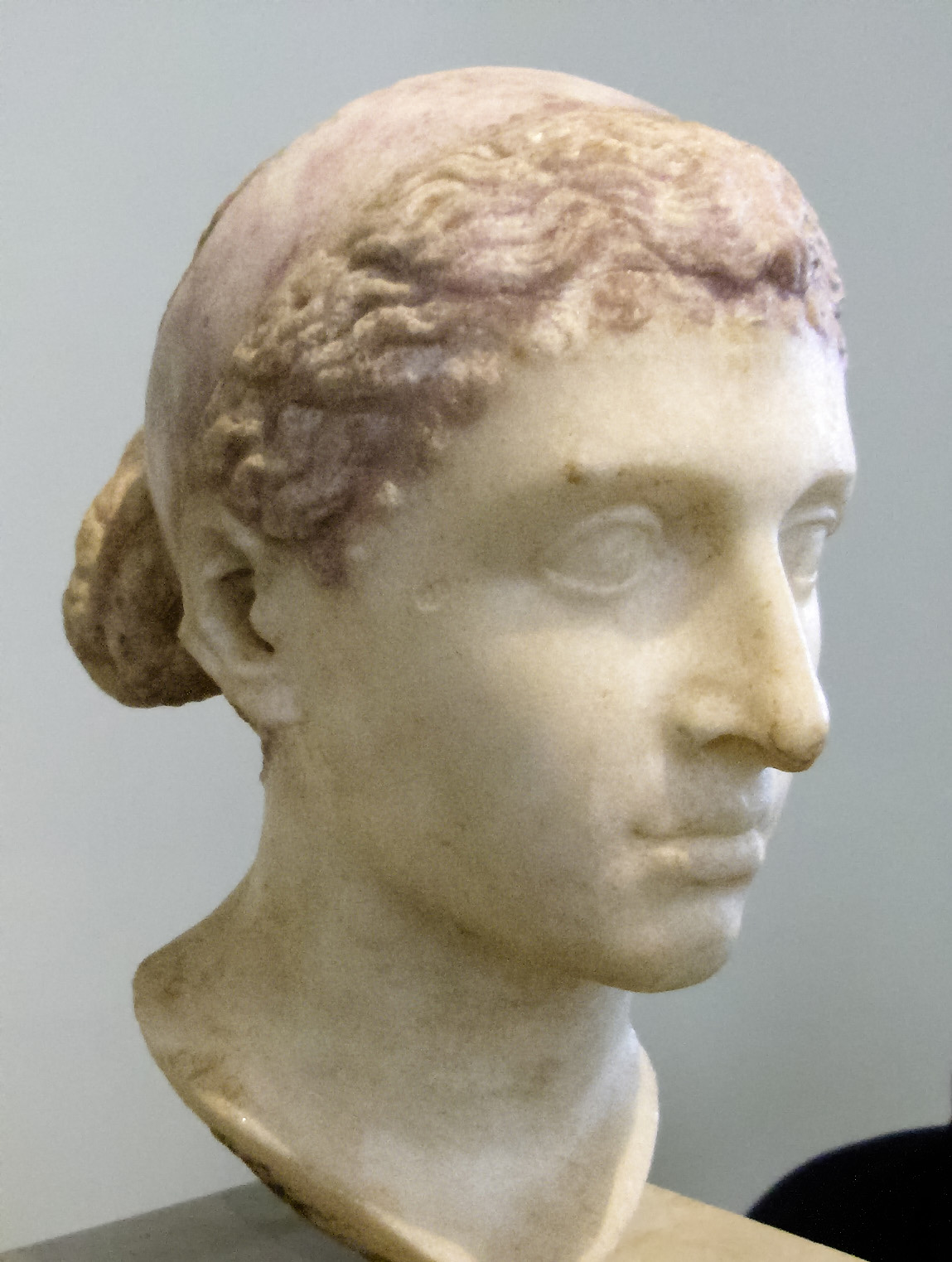
Cleopatra VII of Egypt (69–30 BCE) is history’s most famous example. Far from a mere seductress, she was a brilliant polyglot and strategist who used intimate alliances to protect her kingdom from Rome. She became the lover of Julius Caesar, bearing his son Caesarion, then forged a passionate political partnership with Mark Antony, producing three children. Formal marriages to her brothers were political necessities common in Ptolemaic tradition.
Her relationships were mutual transactions of power. With Caesar and Antony, she secured military support and delayed Egypt’s annexation. Roman propaganda painted her as a dangerous temptress, but she embodied sovereign desire—commanding the most powerful men of her age on her terms.
The Dragon Empress: Wu Zetian
_-_武則天.png)
Wu Zetian rose from concubine to become China’s only female emperor (r. 690–705 CE). She openly maintained male favorites, including the Zhang brothers, whom she elevated to high positions. Historical accounts describe her establishing structures to manage consorts, inverting the imperial harem system.
Wu’s rule expanded China’s territory and bureaucracy. Her lovers were not weaknesses but instruments of control. At an advanced age, she continued these relationships, demonstrating that female desire and authority could coexist at the pinnacle of power. Confucian historians later vilified her, yet her reign is remembered as one of prosperity and reform.
Warrior Queens of Africa
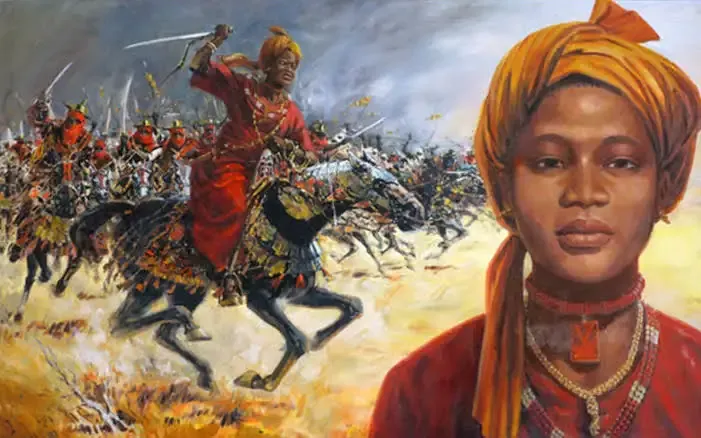
Queen Amina of Zazzau (c. 1533–1610) embodied the warrior-sovereign ideal in the Hausa city-states of what is now Nigeria. As a Muslim queen in a male-dominated society, she led armies that vastly expanded her territory. Legend holds that she refused permanent marriage to safeguard her power. Instead, after each conquest, she reportedly took a lover from the defeated—spending one night with him before execution the next morning.
While the lethal details may be embellished in oral tradition, the core image of a queen claiming temporary consorts while conquering resonates. Amina’s military innovations, including fortified walls still attributed to her, cemented her as a nation-builder. Her story roots female martial and sexual autonomy deep in West African history.
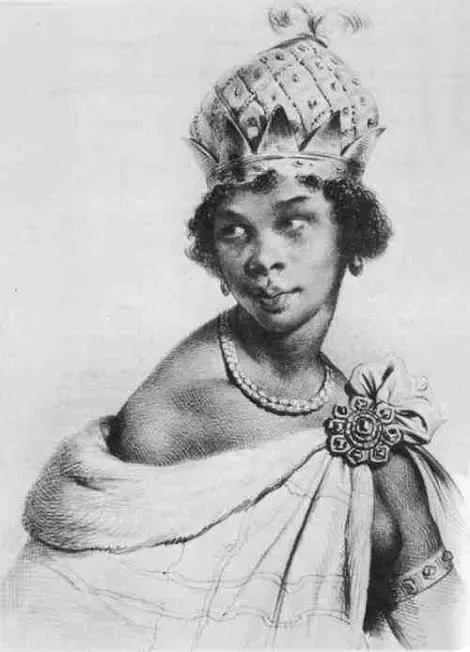
Queen Nzinga of Ndongo and Matamba (c. 1583–1663) in present-day Angola took gender subversion further. Fighting Portuguese colonialism, she adopted male titles, dressed as a king, and maintained male concubines who addressed her as such. Some accounts describe dozens of men in her service, with elements of ritual combat for her favor. Later in life, she married one favorite in a Christian ceremony.
Nzinga’s strategic brilliance—allying with the Dutch, reforming her military, and preserving independence—shows how personal relationships reinforced political resistance. Her all-female bodyguard and court practices challenged European gender norms head-on.
The Russian Colossus: Catherine the Great
.jpg)
Catherine II transformed Russia into a major power while maintaining a series of intellectually and physically impressive favorites—approximately a dozen major ones, including Grigory Potemkin, her great love and political partner. She rewarded them with titles and influence but retained ultimate control.
Her approach was pragmatic Enlightenment absolutism. Lovers provided companionship, advice, and loyalty after her unhappy marriage and the coup that brought her to power. Smears about her sexuality (including the infamous horse rumor) were weapons of misogyny, yet her letters reveal a woman unashamed of her desires.
The Myth Itself: Elizabeth I
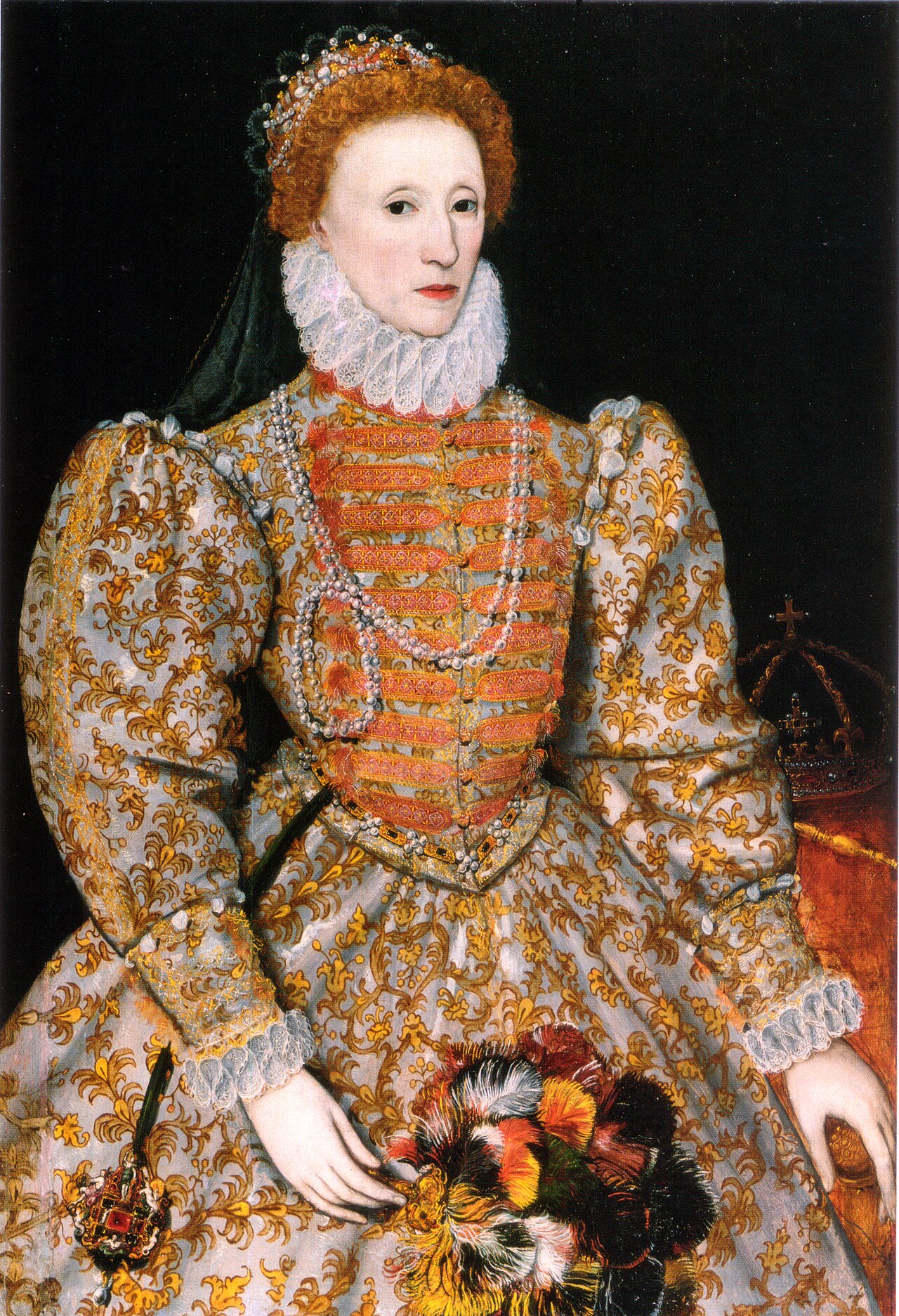
Elizabeth I’s carefully cultivated image of virginity masked deep emotional bonds, particularly with Robert Dudley, Earl of Leicester. Rumors of a physical relationship persisted throughout her reign. Later favorites like the Earl of Essex continued the pattern of intense, quasi-romantic attachments to a powerful, unmarried queen.
By remaining unmarried, Elizabeth avoided male domination of the throne while still drawing on masculine loyalty and affection. Her “reverse harem” was more courtly and emotional, yet no less central to her rule.
Common Threads and Legacy
Across continents and centuries, these queens shared strategies: using consorts for alliances, intelligence, and personal fulfillment; navigating succession without ceding power; and facing vilification for stepping outside monogamous or chaste ideals. Their stories expose the double standard—male rulers’ harems were normalized, while female equivalents provoked outrage.
In oral and written traditions, these women’s desires were often exaggerated to demonize them. Yet the historical core remains: sovereign women exercised sexual agency as an extension of political power. Their roots nourish contemporary conversations about female leadership, polyamory, and bodily autonomy.
In an era still grappling with women in power, these queens remind us that desire and dominion have never been exclusively male domains. They were not exceptions to history—they are history’s fierce, unapologetic roots.
Conversation
Comments