
Most of what people are told about the pussy arrives through shame, advertising, or silence.
Pharmacies still sell douches that disrupt the ecology they claim to clean. Labiaplasty ranks among the fastest-growing cosmetic procedures for teenage girls. Serious research on pain, pleasure, and ordinary function remains underfunded and often written for someone else’s priorities. In the resulting vacuum, commercial language and inherited disgust do the talking.
Pussypedia was built against that vacuum.
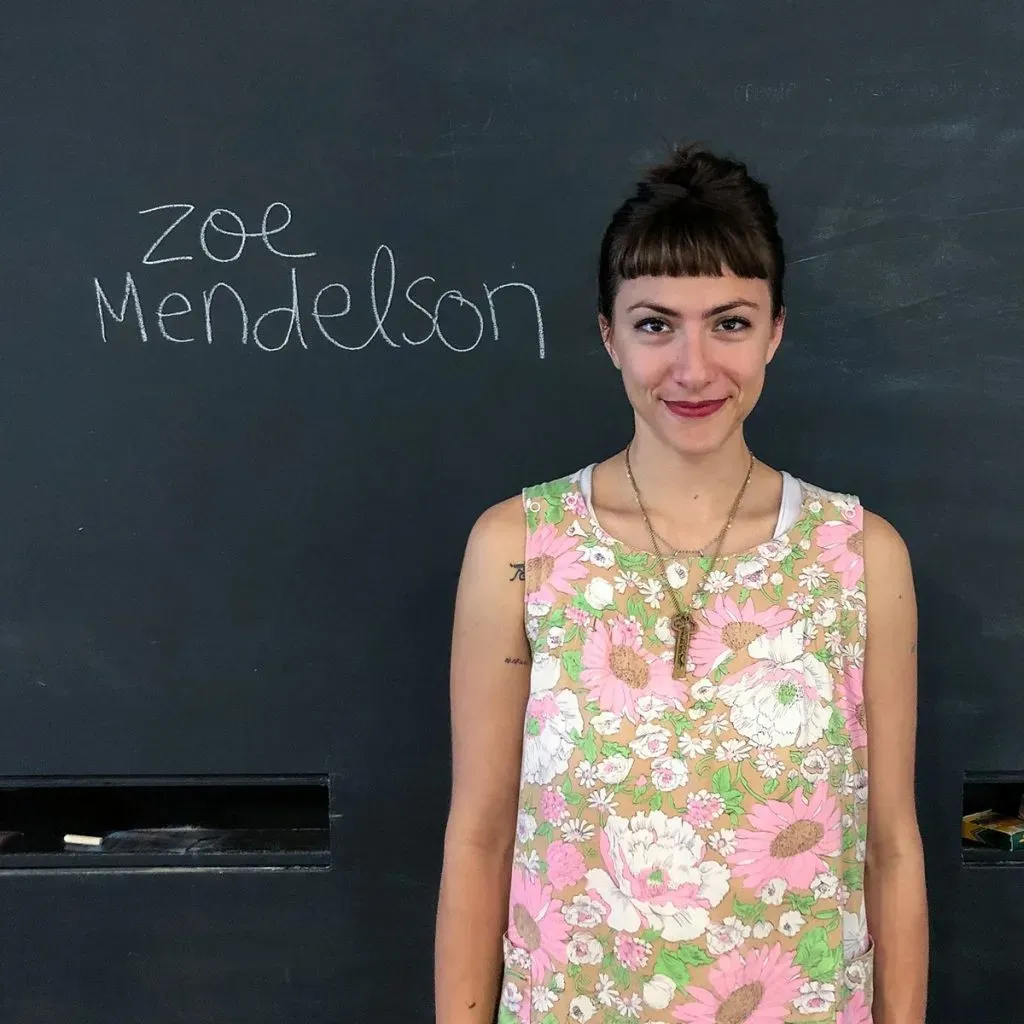
It began with a simple search. Journalist and information designer Zoe Mendelson once found herself arguing with an ex-boyfriend about whether every woman could squirt. She did what most people do when they do not know: she googled it. The results were low quality. Unsatisfied as a journalist, she turned to medical journal articles and could barely understand them. That night she kept reading, learning things about her own body she wished she had known forever. In the morning she called visual artist María Conejo and said, “Let’s do a project about pussies.”
That conversation became Pussypedia.
Mendelson took the role of Editor in Chief. Conejo became Art Director, shaping the entire visual language of the site and its icons. Jackie Jahn designed the content map and fact-checking processes. Michael Yap built the website. What started as a small group grew into a community of more than two hundred writers, fact-checkers, translators, and illustrators across continents. The free, bilingual (English and Spanish) encyclopedia launched on 1 July 2019.
In Mendelson’s own words from an interview with Zest Girls:
“Pussypedia is a free, bilingual encyclopedia of the pussy* made for you to understand. Pussypedia aims to address the lack of quality, accessible information about our bodies on the internet.”
The asterisk is deliberate. The project uses “pussy*” with a gender-and-organ-inclusive framing, refusing the usual narrow ownership of both language and anatomy. It covers menstruation and menopause, wetness and discharge, infections, contraception, abortion, safer sex, consent, painful sex, the myths of the hymen, birth, and the ordinary facts of a body long treated as either medical inconvenience or private embarrassment.
There is a 3D interactive model so spatial understanding is possible. There is a curated portal of already-vetted external resources. The visual language — largely Conejo’s — is direct, unsentimental, and free of both clinical coldness and soft-focus mystique. Articles are rigorously fact-checked. The tone is frank without performance.
This is not a wellness brand. It does not sell a better version of the self. It simply returns information that institutions and markets have preferred to withhold or distort. Mendelson has been clear: knowledge is the minimum tool required for agency over one’s own body. When that knowledge is scattered, paywalled, or written in the language of pathology, the body remains someone else’s territory. Pussypedia refuses the arrangement.
It does not claim to restore the ancient recognition of the yoni as cosmic doorway. That is a different lineage. What it does is more basic and still rare: it treats the organ and its functions as ordinary, knowable, and worthy of clear speech. It removes the commercial middleman. It refuses the premise that the body must first be fixed, cleaned, or aesthetically corrected before it can be understood.
In a culture that still profits from the gap between what people live inside and what they are allowed to know, that refusal is not small.
The void remains.
Pussypedia is one of the few sustained attempts to fill it with something other than product and silence.
Parts of this article draw on Zoe Mendelson’s interview with Zest Girls magazine. Full conversation available here: https://zestgirls.lk/interview-with-pwordpedia-founder-zoe-mendelson/
01) What is this Pussypedia? What were the objectives of its creation?
Pussypedia is a free, bilingual encyclopedia of the pussy* made for you to understand. Pussypedia aims to address the lack of quality, accessible information about our bodies on the internet.
02) Whose idea is this project? Are there any special and interesting incidents that caused this concept?
One day I was arguing with my ex-boyfriend about whether or not all women can squirt. Like we do when we don’t know things, I googled it. The information I found was low quality. I was unsatisfied as a journalist. So I started reading medical journal articles. But I barely could understand them. I realized, it’s a huge problem that information about our bodies is so hard to access. I spent the night reading about my body learning things I wished I’d known forever. I called María in the morning and said, “let’s do a project about pussies!”
03) Can you please tell us about the founding members of Pussypedia and their roles?
María Conejo – Art Director – María commissioned all of the artwork, created the aesthetic of the site, created all of our icons. Zoe Mendelson – Editor in Chief – I coordinated volunteers, edited their work, and managed the building of the platform. Jackie Jahn – Content Consultant/ Fact Checker – Jackie designed our content map and our research and fact checking processes––and fact check the vast majority of the content! Michael Yap – Web Designer – Michael designed our website. Everything that doesn’t fall under any of those umbrellas, which is a lot, is work that María and I share.
04) What are the most important milestones of this project?
Well, there was launch, July 1, 2019 which felt like having a baby I was 28 months pregnant with. Recently we hit one million unique page views. That was extremely exciting to me.
05) Do you have any special goals to achieve in 2020?
We do!! But we can’t say what it is yet. We will announce it soon. But be on the lookout 😉
Conversation
Comments