

In choosing her stage name, Madonna Louise Ciccone did not pick something neutral. She took Madonna - the Italian word for “My Lady,” the traditional title for the Virgin Mary in art, prayer, and Catholic devotion. She carried the name of the ultimate symbol of purity, chastity, and maternal sanctity. Then she spent the next four decades desecrating it with gleeful precision.
This was never a marketing gimmick. It was a declaration of war on the binary that has always constrained women: virgin or whore, saint or sinner, pure or profane. Madonna refused the choice. She embodied both at once - and in doing so, became a masterclass in feral feminine sovereignty.
The Name She Inherited, The Body She Claimed
Born into a strict Italian-Catholic family in Michigan, Madonna grew up under the shadow of the Church and the early loss of her mother. The name she carried was heavy with expectation. “Madonna” evoked Renaissance paintings of serene blue-robed figures cradling the divine child. It stood for untouchable holiness.
She answered that inheritance by rolling across the stage floor in a wedding dress at the 1984 VMAs during “Like a Virgin,” humping the ground in a belt of bullets and lace. The performance was deliberate blasphemy. She took the white gown of bridal purity and turned it into an instrument of raw sexual expression. The sacred name met the profane body - and she made them dance together.
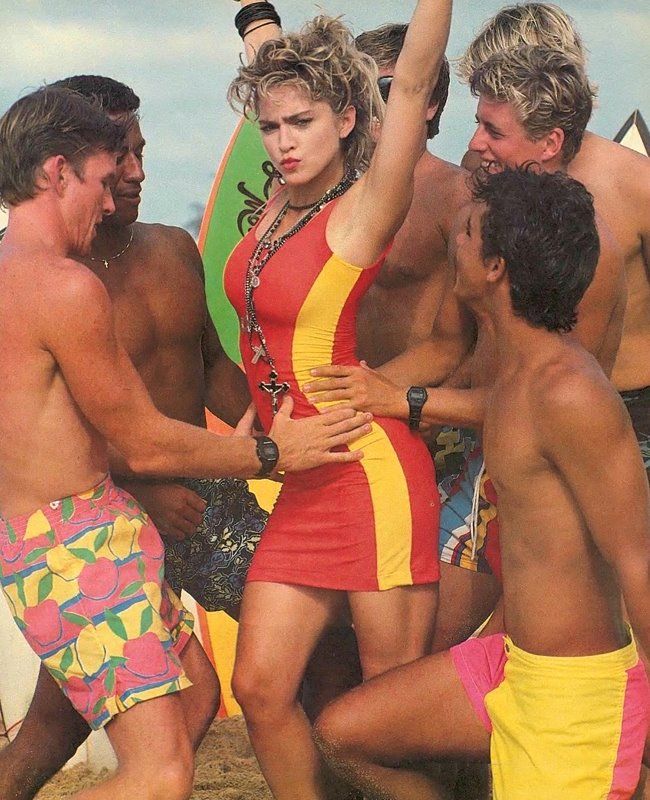
This pattern repeated throughout her career. In “Like a Prayer” (1989), she mixed church organ and gospel choir with lyrics dripping in sexual double entendre (“I’m down on my knees, I want to take you there”). The music video featured burning crosses, stigmata, a Black saint coming to life, and interracial desire inside a church. Pepsi dropped their sponsorship. The Vatican condemned her. Religious groups protested. She did not apologize. She doubled down.
Weaponizing the Sacred Against Itself
Madonna understood something many artists miss: religious iconography is powerful because it is sacred. By fusing it with explicit female sexuality, she didn’t just provoke - she stole its power for herself.
Crucifixes became fashion statements. Rosaries draped over bare skin. The imagery of confession and ecstasy blurred into sexual release. She treated the symbols of her Catholic upbringing not as authorities to obey, but as raw material to be reshaped. In doing so, she performed a kind of alchemical rebellion: turning guilt into glamour, sin into sovereignty, and shame into a stage.
This wasn’t random shock value. It was a woman who had been told her body, her desire, and her ambition were dangerous - and deciding to make them weapons instead. She refused to be only the Virgin or only the Whore. She became both, and something beyond either.
Reinvention as Feral Practice
What makes Madonna truly feral is not just the blasphemy. It is her relentless reinvention.
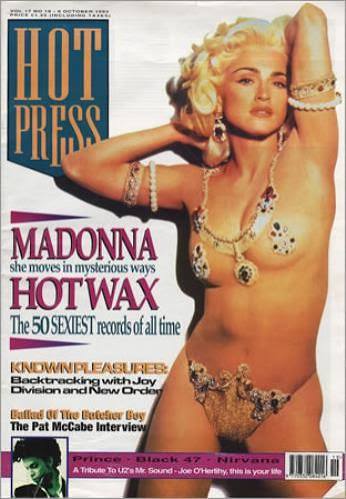
She changed personas like snakes shed skin: Material Girl, dominatrix, Earth Mother, Kabbalah mystic, cowgirl, Madame X. While other female artists were punished for evolving (or for refusing to), Madonna treated her image, sound, and body as territory she alone controlled. She aged in public without disappearing. She courted controversy without seeking redemption. She remained the author of her own myth.
In a culture that loves to reduce women to a single narrative - the good girl, the sex symbol, the mother, the icon - Madonna kept slipping the noose. Her body was not a fixed object for consumption. It was a shifting canvas, a site of power, play, and perpetual becoming.
The Lesson for Sovereign Women
Madonna’s greatest offering is this: you do not have to choose between sacred and profane. You do not have to reject your inheritance to claim your desire. You can take the name they gave you - whether it is daughter, wife, good girl, or even “Madonna” - and turn it into something untamed.
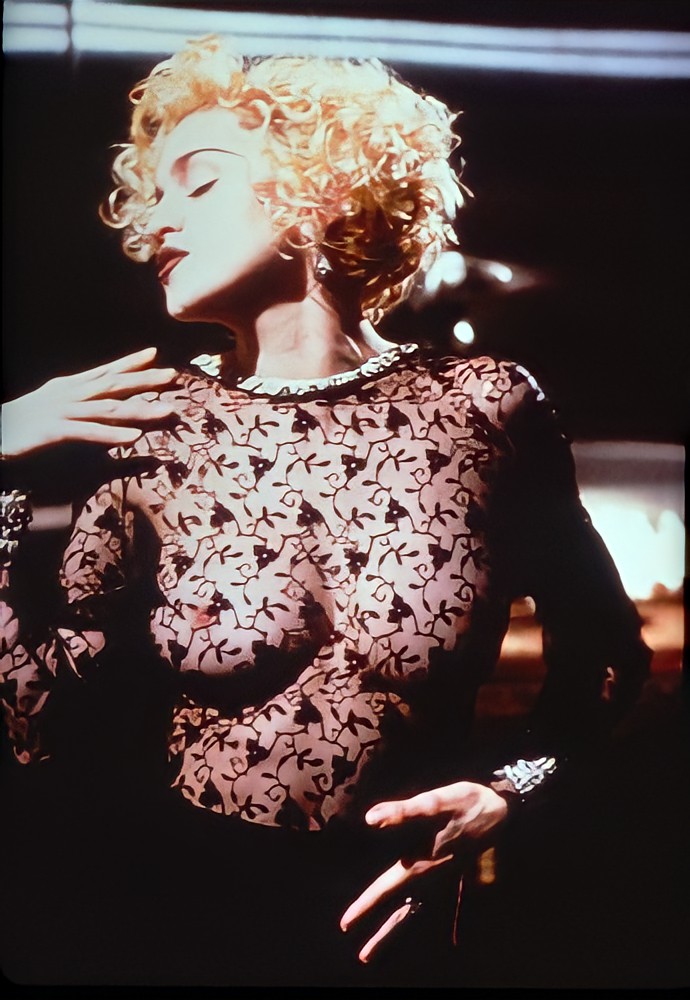
She showed that a woman can hold the cross and the erotic in the same breath. She can be devotional and defiant. She can be mother, lover, provocateur, and seeker without apology.
In 2026, when female bodies and images are more scrutinized, commodified, and policed than ever - through social media, aging anxiety, and endless expectation - Madonna’s example remains radical. True sovereignty is not found in purity or rebellion alone. It is found in the freedom to contain both, and to reinvent yourself whenever the old form no longer fits.
She was never just singing about being touched for the very first time. She was showing what it looks like when a woman touches her own power - sacred, profane, and entirely her own - and refuses to let go.
Conversation
Comments